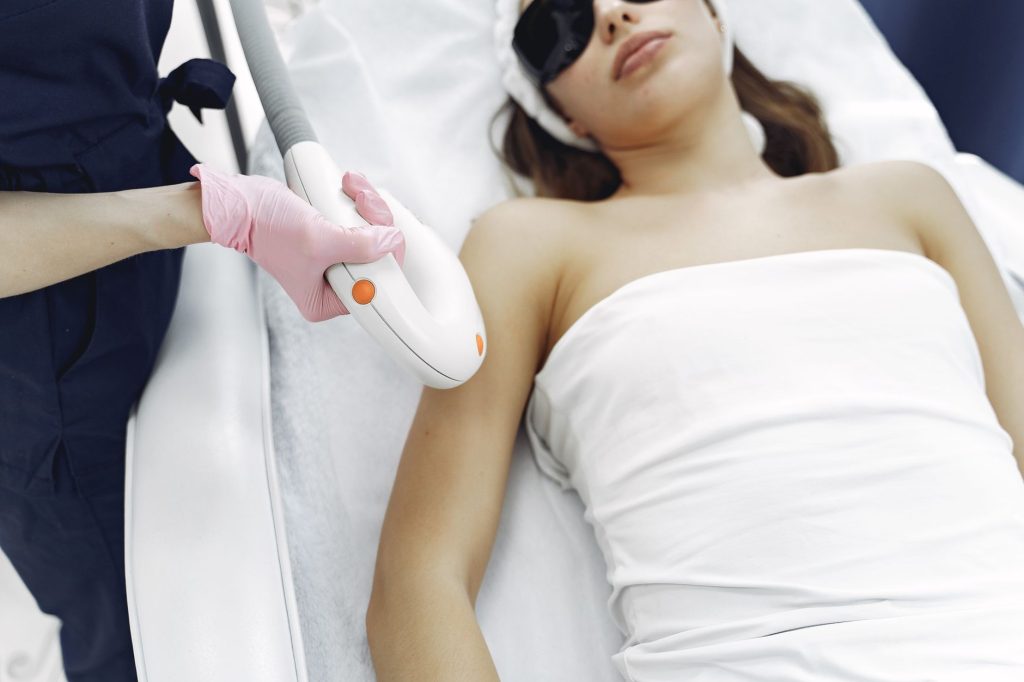
At-home beauty devices are consumer electronics that happen to be sold in the beauty aisle. They have indicator codes, safety interlocks, consumable parts, and specific ways of failing. This site explains those, starting from the fault rather than the product.
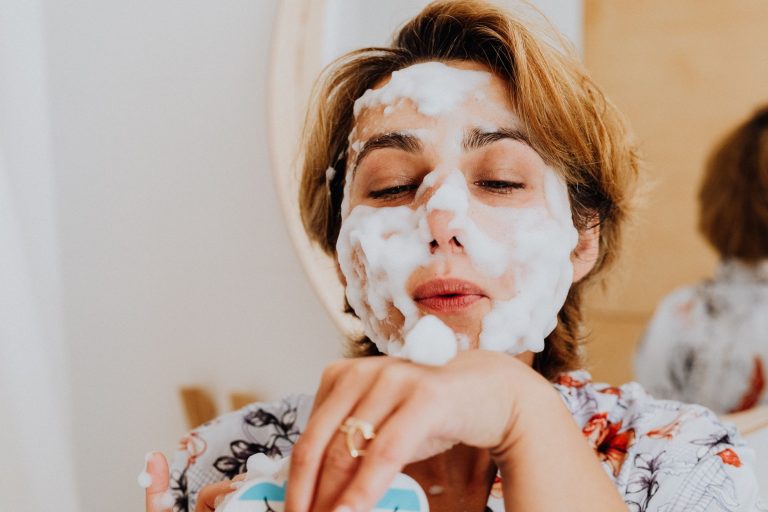 Facial cleansing devices
Sonic and rotating cleansing brushes: how often heads need replacing, charging and battery faults, waterproof ratings and what they actually cover, and how manufacturers…
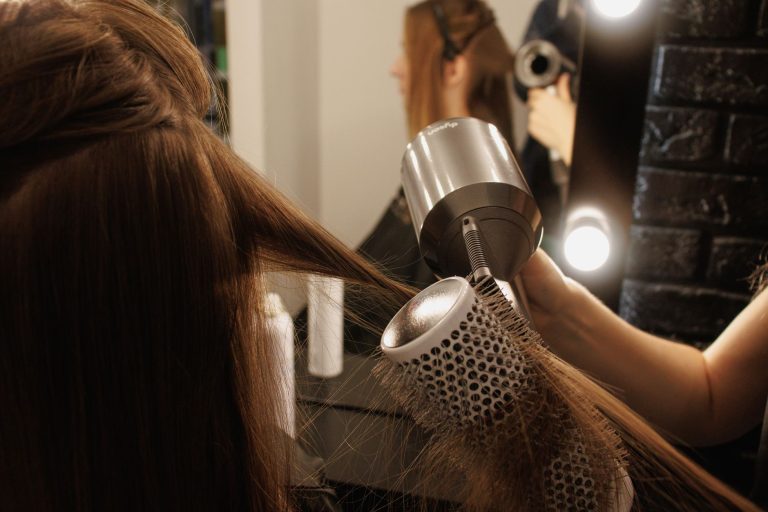 Hair dryers and stylers
Dryers, straighteners, curlers and hot brushes: heat settings and what they do to hair, ionic and ceramic claims, filter and motor problems, cord and…
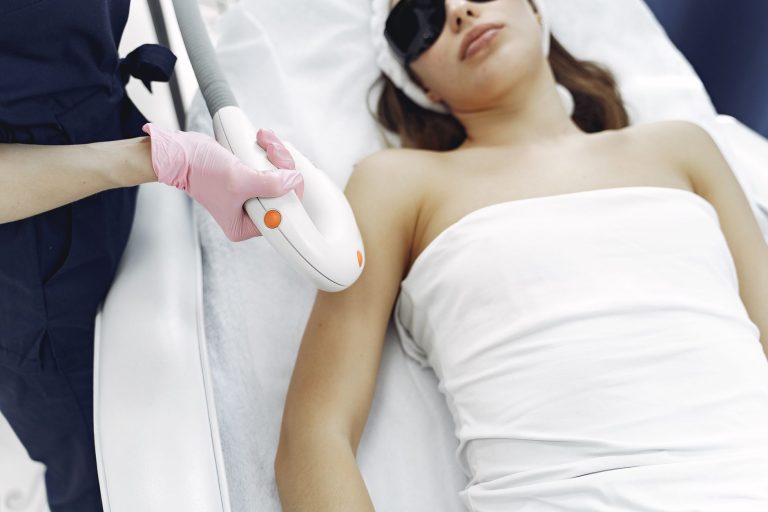 IPL and hair removal
Intense pulsed light handsets: what the flash counter and indicator codes mean, why a device refuses to fire on certain skin, how cartridges and…
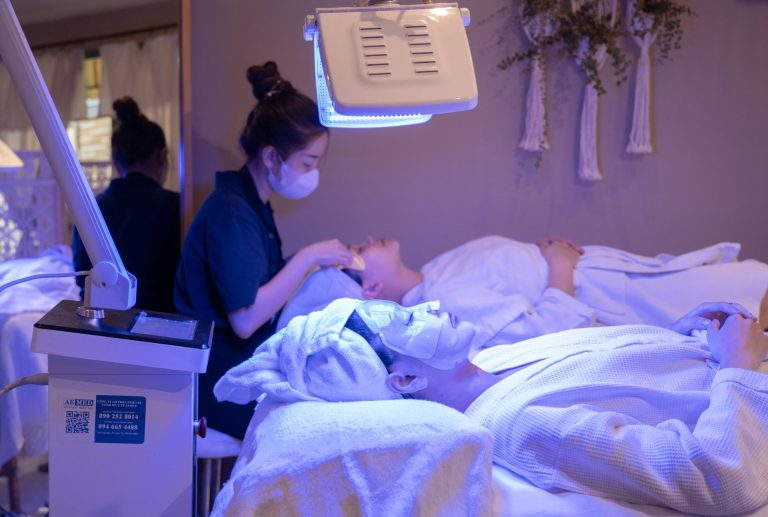 LED face masks
Light therapy masks and panels: wavelengths and what they are claimed to do, session length and frequency according to manufacturers, eye protection, fit problems,…
 Nail drills and UV lamps
Electric files and curing lamps: bit types and speeds, why a lamp cures some gels and not others, UV and LED lamp differences, timer…
How these guides are made
Every guide is built from published sources — manufacturer manuals and support documentation, safety guidance, and technical standards — and lists them at the foot of the page so you can check the original.
We do not test devices, we are not clinicians, and no manufacturer pays for coverage. What that means in practice, including how AI tools are used in drafting and how corrections are handled, is set out in the editorial policy.